If you own a piano, a grandfather clock, a piece of antique furniture, or anything else that’s genuinely irreplaceable, the question of whether a moving company can handle it safely is a completely reasonable one to ask. These aren’t items where “we’ll be careful” is a sufficient answer.
The honest truth is that not every moving company is equipped to handle specialty items well — and the ones that are will be able to tell you exactly how they do it. Here’s what that actually looks like in practice, and what to watch for when you’re evaluating who to trust.
Specialty Items Need More Than Just Extra Muscle
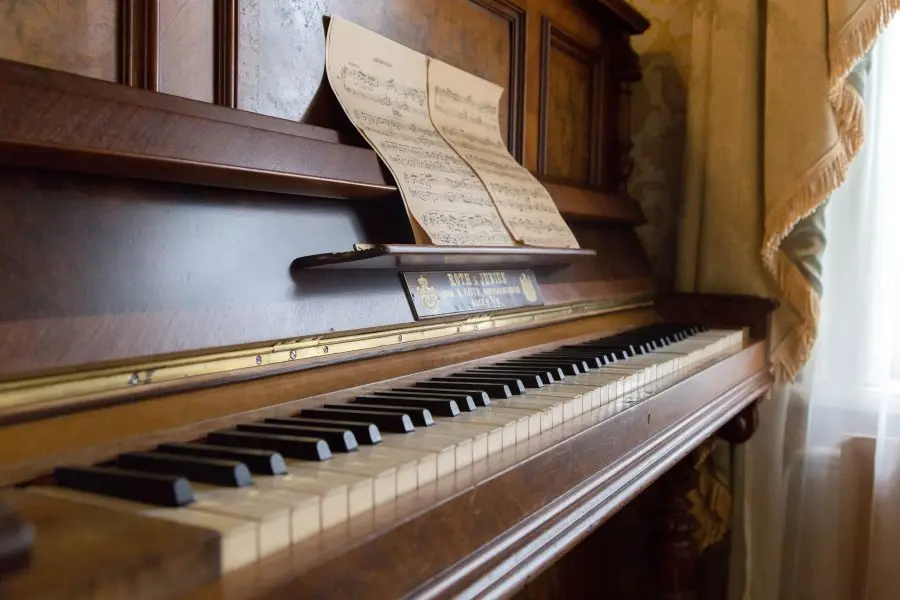
A piano isn’t just heavy. It’s mechanically complex, acoustically sensitive, and structurally unforgiving if it’s moved incorrectly. An antique armoire isn’t just old — it may have joinery, veneer, or hardware that responds very differently to stress than modern furniture. Oversized sectionals, marble tabletops, grandfather clocks, large mirrors, and framed artwork all have their own set of handling requirements.
What separates a professional specialty move from a general furniture move isn’t strength — it’s knowledge, preparation, and the right equipment. A crew that moves pianos regularly knows that the instrument needs to be secured in a specific position relative to gravity, that the legs need to be removed and wrapped before transport, and that the path from room to truck has to be assessed and cleared in advance. None of that is improvised on the day.
The Assessment Happens Before Moving Day
A mover who takes specialty items seriously will want to understand what you have before they show up at your door. That means asking — during your estimate, not on moving day — about the type, size, and location of anything unusual.
For a piano, that includes: what kind of piano (upright, baby grand, concert grand), where it currently sits in your home, what the path to the truck looks like, whether there are stairs involved, and where it’s going in the new space. The same logic applies to any other specialty item. A grandfather clock needs to have its pendulum and weights removed and packed separately. A large oil painting needs to be assessed for frame condition and surface sensitivity before anyone decides how to wrap it.
If a mover shows up for a quote, sees your Steinway, and gives you a number without asking any of those questions, that’s a signal worth noting.
How Pianos Are Actually Moved
Piano moving involves specific equipment that general movers may not carry. The core tools are a heavy-duty piano dolly, furniture pads rated for the weight and finish, moving straps designed to distribute load without stress points, and often a ramp or skid board for navigating steps.
For upright pianos, the process typically involves securing the keyboard lid, removing the legs (on some models), wrapping the entire instrument in thick padding, and loading it onto a piano dolly in a controlled, vertical position. For grand and baby grand pianos, the process is more involved: the lid is removed, the legs are detached, the body is lowered onto its side onto the dolly, and the entire instrument is padded and strapped before it moves an inch.
Stairs require additional planning — sometimes a stair-climbing dolly, sometimes additional crew, always a cleared path and a controlled descent. The weight distribution of a piano changes on an incline in ways that require experience to manage safely.
None of this is complicated once a crew has done it hundreds of times. But it is very easy to get wrong if they haven’t.
Moving Antiques and High-Value Items Is Different
Standard furniture gets furniture pads and moving straps. Antiques and high-value items need more than that — and what “more” means depends on the piece.
Antique furniture often has veneer that can separate under pressure or humidity changes, hardware that’s original and irreplaceable, and joinery that won’t take stress the way modern construction does. Experienced movers wrap these pieces in clean pads — not pads that have been absorbing grit for years — and avoid stacking anything on top of them. Drawers are emptied and often removed. Doors are secured. Glass components are wrapped separately with corner protection.
Artwork gets similar treatment: corner protectors, glassine or acid-free paper for surfaces, custom padding for frames, and positioning in the truck that keeps it vertical and away from anything that could shift. A large oil painting should never travel flat under other items.
The overarching principle is the same regardless of the item: the more irreplaceable something is, the more the wrapping, positioning, and truck placement decisions matter.
Questions to Ask Before Trusting Anyone with a Specialty Item
Before you book any moving company in the Henrietta or Rochester area for a move involving specialty items, these questions are worth asking directly:
- Have you moved this type of item before? How recently, and how often?
- What specific equipment do you use for pianos (or antiques, or large artwork)?
- Will the crew handling my specialty item have experience with it specifically, or will this be assigned to whoever’s available?
- How is the item protected during transport — what padding, positioning, and securing do you use?
- What does your claims process look like if something is damaged?
- Is my item covered under your standard valuation, or do I need additional coverage?
A company with real specialty experience will answer these without hesitation. Vague answers — “we take good care of everything” — aren’t wrong, but they’re not the same as knowing what a piano dolly is.
Interior Moving Services serves Henrietta and the greater Rochester area and handles specialty items as part of their full-service moving work. If you’re not sure whether your item qualifies as a specialty move, the estimate process is the right time to find out — describe what you have in detail and let the conversation go from there.
Red Flags That Suggest a Company Isn’t Equipped
A few things should give you pause when you’re evaluating movers for specialty items:
They say they “don’t do pianos” but offer to try. This is not reassuring. If a company doesn’t regularly move pianos, declining is the honest answer. Agreeing to try is the wrong one.
They skip the assessment. Any mover who quotes a specialty move without asking detailed questions about the item, its location, and the path to the truck hasn’t thought through what the job actually involves.
They don’t carry appropriate equipment. If you ask about piano dollies, padded blankets, or specialty strapping and get a blank response, that’s your answer.
They’re vague about valuation. You should know before moving day exactly what coverage applies to your high-value items and what the claims process looks like. If a company can’t or won’t explain this clearly, that’s a gap worth closing before you hand anything over.
Get the Right Team for What You Own
If you have items that matter — to you, to your family, financially, or all three — the due diligence of finding a mover who knows what they’re doing with specialty items is worth every minute it takes.
Interior Moving Services has been serving Henrietta and the Rochester area since 1992. Reach out for a free estimate and make sure to describe your specialty items during the conversation — that’s exactly where a good moving plan starts.
Related Posts

How to Prepare Your Henrietta Home for Moving Day

What’s the Best Time of Year to Move in Henrietta, NY?